
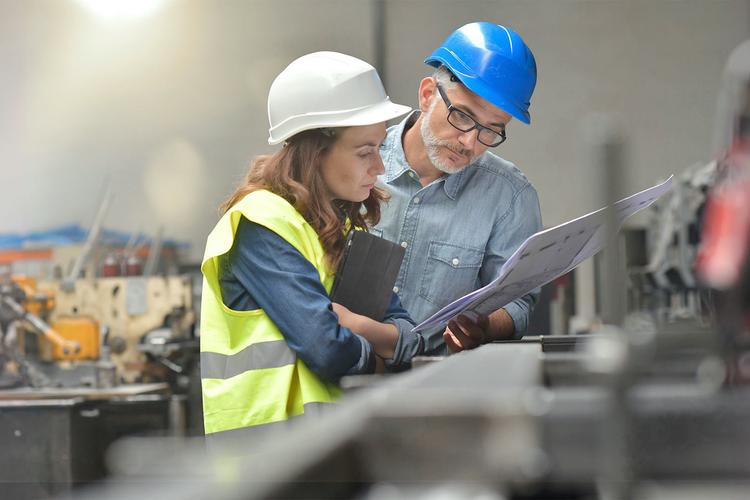
The term industry is central to understanding how economies grow, societies advance, and innovations take shape. It represents the systematic production of goods and services, transforming raw materials into finished products that meet the needs of consumers, businesses, and governments. The concept of industry stretches far beyond factories and machines—it includes a vast network of people, technologies, and systems that shape the modern world. From manufacturing and energy to information technology and healthcare, every sector of industry plays a vital role in economic sustainability and global competitiveness.
What is an Industry?
An industry is a group of businesses and organizations involved in producing similar products or services. It functions as a fundamental unit of the economy, organizing production and labor around specialized activities. For example, the automotive industry focuses on manufacturing vehicles, while the technology industry develops hardware, software, and digital solutions.
Industries form the structural backbone of economic systems. They create employment, foster innovation, and contribute to national income through exports and taxes. The development of industries often determines the level of prosperity and living standards within a country.
Key Features of an Industry
- Production-Oriented: Industries revolve around creating goods or services to meet market demands.
- Specialization: Each industry develops expertise in specific processes or technologies.
- Market-Driven: Supply and demand dictate production levels and pricing.
- Employment Generation: Industries create direct and indirect job opportunities.
- Innovation Catalyst: Industrial growth promotes research, development, and technological advancement.
Types of Industries
Industries can be classified based on their size, function, and the type of goods or services they produce. Understanding these classifications helps businesses, investors, and policymakers identify opportunities and manage challenges effectively.
1. Primary Industry
The primary industry involves extracting and harvesting natural resources. It is the foundation upon which other industries depend. Activities like farming, mining, fishing, and forestry belong to this category.
Examples include:
- Agriculture (crop production, livestock farming)
- Mining (coal, minerals, oil extraction)
- Forestry (timber and pulp production)
- Fishing (marine and inland aquaculture)
Importance: Primary industries supply raw materials for manufacturing and ensure food and energy security for nations.
2. Secondary Industry
The secondary industry focuses on processing raw materials from the primary sector into finished goods. This category includes manufacturing, construction, and production.
Examples include:
- Automotive manufacturing
- Textile production
- Construction of buildings and infrastructure
- Food and beverage processing
Key Benefits: - Increases value addition to raw materials
- Creates skilled jobs
- Enhances export potential through manufactured goods
3. Tertiary Industry
The tertiary industry involves the provision of services rather than goods. It supports the functioning of both primary and secondary sectors by ensuring efficiency in trade, logistics, communication, and customer service.
Examples include:
- Banking and finance
- Healthcare
- Education
- Transportation and logistics
- Retail and entertainment
Why It Matters: The tertiary industry drives the service economy, which now dominates developed countries like the United States.
4. Quaternary Industry
This industry is knowledge-based and involves information services, research, and advanced technologies. It emphasizes innovation, data analysis, and intellectual property creation.
Examples include:
- Information technology and software development
- Research and development (R&D)
- Consultancy and data analytics
- Education and media production
Impact: The quaternary industry fuels digital transformation and long-term economic competitiveness.
5. Quinary Industry
The quinary industry includes high-level decision-making roles and organizations influencing policy, business strategy, and innovation. It often involves executives, government officials, and leaders in education or healthcare.
Examples:
- Government administration
- Corporate management
- Nonprofit leadership
- Policy think tanks
Evolution of Industry Through the Ages
The concept of industry has evolved dramatically over time, shaping the modern economy as we know it today.
The First Industrial Revolution (Late 18th to Early 19th Century)
This era introduced mechanization through inventions like the steam engine and textile machinery. It marked the transition from hand production to factory systems, boosting productivity and urbanization.
The Second Industrial Revolution (Late 19th to Early 20th Century)
Known as the Technological Revolution, this phase saw advancements in electricity, steel production, and mass manufacturing techniques such as assembly lines. It revolutionized transportation and communication.
Manufacturing plants often require specific materials that can withstand harsh conditions. For example, the production of exhaust systems and heat exchangers relies on specialized metal components. Many fabricators choose 409 steel tubes because they resist corrosion and handle high temperatures well.
These parts are common in the automotive sector where durability is a main priority. Using the right grade of steel helps companies make products that last longer. This choice reduces the need for frequent replacements in industrial machinery.
The Third Industrial Revolution (Late 20th Century)
Also known as the Digital Revolution, it was characterized by the rise of computers, telecommunications, and automation. Information became a valuable asset, leading to global connectivity.
The Fourth Industrial Revolution (21st Century)
Today’s industries are powered by artificial intelligence, robotics, blockchain, and the Internet of Things (IoT). This phase integrates digital, physical, and biological systems, driving unprecedented efficiency and innovation.
The Role of Industry in Economic Development
Industries are crucial engines for national and global economic growth. They generate employment, stimulate innovation, and foster trade relationships between nations.
Key Contributions of Industry:
- Employment Opportunities: Industrial sectors absorb a large portion of the workforce, providing diverse job roles across skill levels.
- Infrastructure Development: Industrialization stimulates the creation of transport, energy, and communication networks.
- Technological Progress: Continuous research within industries encourages innovation and modernization.
- Wealth Creation: Industrial growth boosts national GDP and enhances living standards.
- Export Expansion: Manufacturing industries strengthen foreign exchange reserves through trade.
Modern Challenges Facing Global Industries
While industries have powered progress, they also face challenges that demand strategic and sustainable solutions.
1. Environmental Concerns
Industrial processes contribute significantly to carbon emissions and resource depletion. The growing need for sustainable production practices has led to innovations like green manufacturing and circular economies.
2. Technological Disruption
Automation, AI, and robotics are reshaping employment patterns. While they improve efficiency, they also create skill gaps that demand retraining and education reforms.
3. Supply Chain Instability
Events such as global pandemics and geopolitical tensions have exposed the vulnerability of global supply chains, emphasizing the importance of regional resilience.
4. Labor and Workforce Transformation
The modern workforce demands flexibility, fair wages, and technological literacy. Companies must balance efficiency with employee welfare to retain talent.
5. Economic and Political Uncertainty
Trade policies, inflation, and international conflicts impact industrial growth, investment, and long-term planning.
Sustainability in Modern Industry
Sustainability has become a central theme in industrial development. Companies across all sectors are adopting environmentally responsible practices to reduce their carbon footprint and enhance efficiency.
Core Sustainable Practices:
- Renewable Energy Usage: Transitioning to solar, wind, and hydroelectric power sources.
- Recycling and Waste Reduction: Implementing circular production models that reuse materials.
- Energy Efficiency: Utilizing smart systems to minimize energy consumption.
- Ethical Labor Practices: Ensuring safe working conditions and fair compensation.
- Eco-friendly Supply Chains: Partnering with sustainable suppliers and reducing logistics emissions.
Adopting sustainability not only benefits the environment but also improves brand reputation and consumer trust.
The Impact of Technology on Industry
Technology has become the driving force behind industrial transformation. It has redefined production methods, marketing strategies, and customer experiences.
Key Technological Innovations Affecting Industry:
- Automation and Robotics: Streamlines repetitive tasks, reducing human error and cost.
- Artificial Intelligence (AI): Enables predictive maintenance, smart manufacturing, and personalized customer service.
- Blockchain: Enhances supply chain transparency and data security.
- 3D Printing: Allows rapid prototyping and small-batch manufacturing with minimal waste.
- Internet of Things (IoT): Connects devices and systems for real-time data analysis and operational control.
The Future of Industry in the Global Economy
The future of industry lies in digitalization, innovation, and sustainability. As technology continues to evolve, industries must embrace adaptability and long-term strategic thinking to thrive in a competitive world.
Emerging Trends to Watch:
- Growth of green industries focusing on renewable energy and environmental protection.
- Expansion of digital and remote industries driven by online platforms and AI tools.
- Increased emphasis on data analytics for strategic decision-making.
- Rising importance of cybersecurity in industrial systems.
- Integration of global collaboration networks for innovation and trade.
FAQs
What are the main sectors of industry?
The three main sectors are primary (resource extraction), secondary (manufacturing), and tertiary (services). The quaternary and quinary sectors focus on knowledge and decision-making activities.
How do industries affect everyday life?
Industries influence everything from the products we use to the jobs we hold. They determine the availability of goods, technological advancements, and living standards.
What drives industrial growth?
Innovation, skilled labor, access to capital, favorable government policies, and technological infrastructure are key drivers of industrial growth.
What is industrial diversification?
Industrial diversification involves expanding into different sectors or markets to reduce dependency on a single product or industry. It enhances resilience during economic downturns.
How do industries contribute to sustainability?
Industries promote sustainability through green manufacturing, renewable energy adoption, waste reduction, and ethical labor practices. These actions balance economic goals with environmental responsibility.
Can small industries impact the economy?
Yes, small and medium-sized industries contribute significantly to job creation, innovation, and local economic development, especially in emerging markets.
What is the role of technology in modern industries?
Technology enhances productivity, improves quality, reduces operational costs, and enables global competitiveness across all sectors of industry.
The industry remains the cornerstone of human progress, driving economies toward innovation, prosperity, and sustainability. Understanding its evolution, challenges, and opportunities allows nations and businesses to adapt successfully to a rapidly changing global landscape.
