
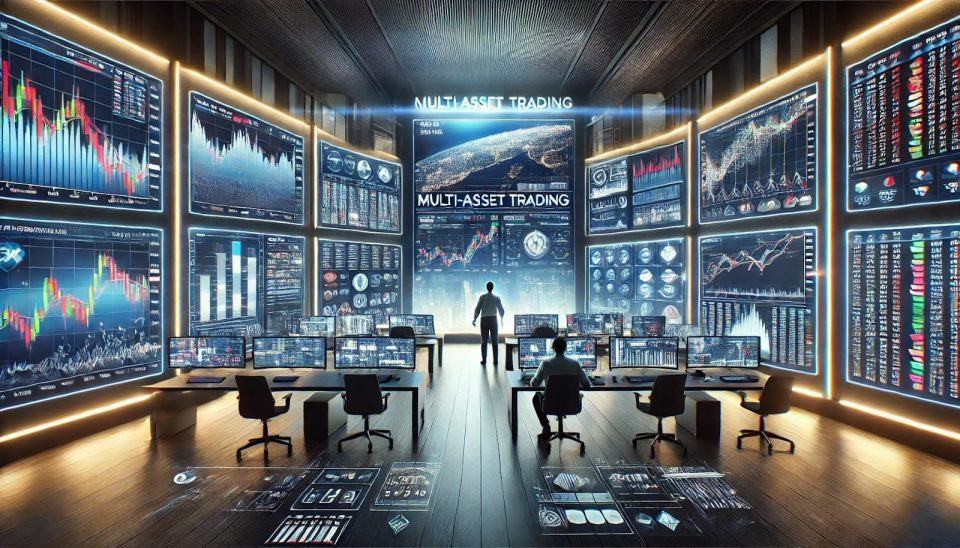
The world of investing has changed dramatically over the past decade. Once the exclusive domain of institutional traders and wealthy individuals, financial markets are now accessible to anyone with an internet connection and the desire to participate. Central to this transformation has been the rise of multi-asset trading platforms.
These digital environments have captured the attention of both novice and experienced traders, and their popularity continues to grow around the world. In this article, we explore the reasons behind this trend, how these platforms have reshaped trading, and what investors should consider when choosing one.
A Shift in How People Trade
In the past, individuals interested in buying and selling financial instruments often had to work through separate brokers for different types of assets. Stocks with one provider, forex with another, and commodities or derivatives with yet another. This fragmented approach made it difficult for investors to build a cohesive strategy that spanned multiple markets. It also added complexity and cost, as each provider typically came with separate fees, platforms, and account requirements.
Multi-asset trading platforms have changed that landscape. These platforms allow traders to access a wide range of asset classes from a single account and interface. Whether someone wants to trade equities, bonds, currencies, commodities, exchange-traded funds (ETFs), or even cryptocurrencies, today’s integrated systems make it possible without the need to juggle multiple accounts. This consolidation of access has been one of the most significant drivers of their popularity.
The appeal extends beyond convenience. These platforms often include real-time market data, analytical tools, and intuitive features designed to help users make informed decisions. The result is a more streamlined trading experience and the ability for individuals to respond quickly to market movements across different asset classes.
Accessibility and Democratisation of Financial Markets
One of the most transformative aspects of multi-asset trading platforms has been the democratisation of financial markets. Trading was once seen as a complex activity suitable only for seasoned professionals. Today, people from all walks of life can engage with markets using devices as simple as a smartphone or a tablet.
This increased accessibility has been driven by several factors. First, technological advancements have lowered barriers to entry. Modern platforms are built to be user-friendly, guiding individuals through processes that once required detailed financial knowledge. Interactive charts, educational content, and customizable dashboards make it easier for traders to understand market conditions and execute strategies.
The rise of digital communication has exposed a broader audience to investing. Social media, online financial communities, and readily available information have sparked interest among younger generations who might not have previously considered trading. With this heightened curiosity comes demand for platforms that accommodate a diverse range of interests and skill levels.
Efficiency and Cost Considerations
Another compelling reason for the surge in popularity is the efficiency and potential cost savings that multi-asset platforms offer. When investors can execute trades across multiple asset types from a single account, they reduce the administrative burden and the potential for errors that come with managing several accounts. Portfolio tracking, reporting, and tax documentation all become simpler when everything is consolidated.
Cost efficiency plays a role as well. Many multi-asset platforms have adopted competitive pricing structures, including lower commissions and transparent fee schedules. This pricing model contrasts with the traditional approach of fees charged per transaction or per account, which could quickly add up for active traders using multiple services.
Additionally, some platforms offer tiered services that allow users to access more advanced features for a subscription or based on trading volume. This flexibility enables individuals to choose a level of service that aligns with their needs and budget. The ability to scale up or down without losing access to key markets makes these platforms particularly attractive.
Innovation and Technological Integration
Innovation has helped to shape the appeal of multi-asset trading platforms. The integration of cutting-edge technologies such as artificial intelligence, algorithmic trading, and advanced analytics has elevated the trading experience. Users can now access insights that were once reserved for institutional players, including predictive models, automated strategies, and customizable algorithms.
For example, traders can set parameters for automated trades based on market conditions or technical indicators. These features can help manage risk, seize opportunities swiftly, and execute plans even when the trader is not actively monitoring the markets. Real-time alerts, integrated news feeds, and intuitive mobile applications further enhance the user experience.
Investors looking to expand their understanding of available options can also learn more about how such platforms operate and what features set leading providers apart. The emphasis on innovation continues to drive competition among platform providers, resulting in continuous improvements in both functionality and user experience.
Conclusion: A New Era for Individual Investors
The increasing popularity of multi-asset trading platforms reflects a broader shift in the financial world. These platforms have opened doors for individuals to participate more fully in global markets, offering accessibility, efficiency, and powerful tools once reserved for professionals. Their ability to bring multiple asset classes under a single roof has simplified trading and made it more approachable for a diverse audience.
As technology continues to evolve, so too will the capabilities of these platforms. For investors, this means more opportunities to engage, learn, and build strategies that align with personal goals and risk tolerance.
