
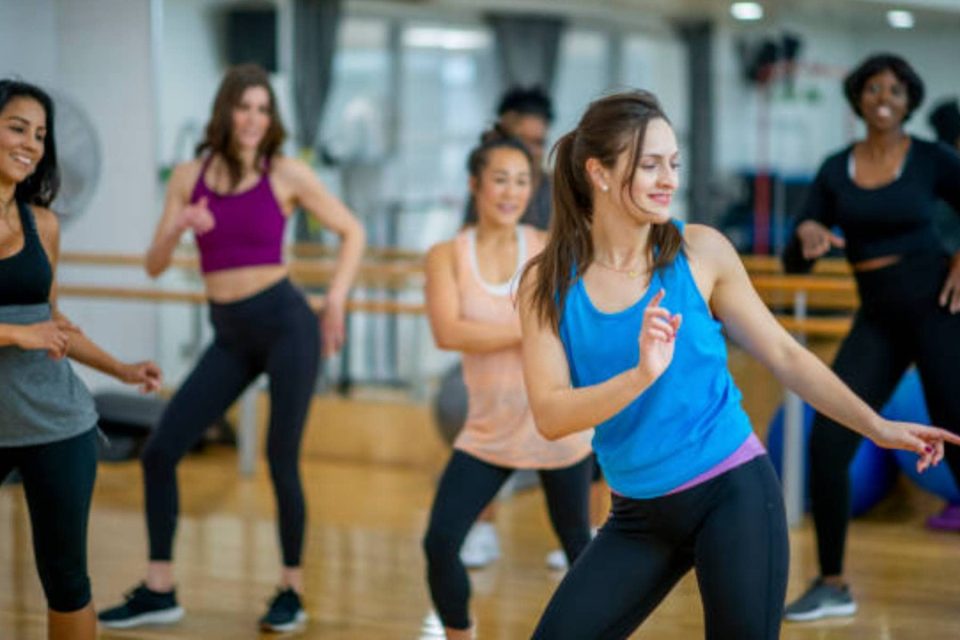
Workplace wellness programmes often struggle because employees do not always want formal health talks or competitive fitness challenges. Some may feel intimidated by intense workouts, while others may lose interest in passive wellness campaigns. A successful wellness activity should feel accessible, energising and enjoyable enough for people to participate willingly.
This is why zumba classes singapore can be a strong option for workplace wellness. Zumba combines music, movement and group energy, making it suitable for teams that want an active wellness experience without making employees feel like they are entering a strict training session.
Workplace wellness needs engagement
Wellness works best when employees actively participate. A presentation about exercise may raise awareness, but it does not always change behaviour. Zumba gets employees moving.
The music and class structure make the activity feel lively rather than clinical. Employees can participate at their own level, which helps reduce hesitation.
Engagement is important because wellness programmes should create positive experiences, not feel like another workplace obligation.
Zumba feels less intimidating than many workouts
Some employees may avoid gym-based wellness activities because they feel they are not fit enough. Traditional boot camps or high intensity sessions may seem too demanding. Zumba can feel more approachable because the focus is movement, rhythm and enjoyment.
Participants can adjust intensity by making movements smaller, taking breaks or following lower impact options. This allows people with different fitness levels to join.
The welcoming nature of dance based cardio can make participation easier for teams.
Music helps create a positive atmosphere
Music changes the mood of a wellness activity. It can reduce awkwardness, lift energy and make the session feel more social. In a workplace setting, this matters because employees may be participating with colleagues they normally see only in professional roles.
Music helps break the formality. It creates a relaxed environment where people can move, laugh and enjoy the session.
This can make wellness feel more human and less like a corporate checklist.
Group movement supports team connection
Zumba encourages shared participation. Employees follow the same instructor, move to the same music and complete the same session together. This shared experience can strengthen team connection.
The benefit is not only physical. It can improve morale by giving employees a positive memory outside normal work tasks.
A team that moves together may feel more connected, especially when the activity is inclusive and enjoyable.
Zumba can support stress relief
Work stress is common in busy organisations. Deadlines, meetings, client expectations and digital communication can create mental fatigue. Dance based movement provides a physical outlet for that stress.
A Zumba session after work or during a wellness event can help employees release tension and reset their mood. The combination of music and movement can feel refreshing after long sitting hours.
This makes it useful for teams that need more than passive relaxation advice.
Workplace wellness should offer choice
Not every employee will enjoy the same activity. However, Zumba can be one valuable option within a broader wellness programme. It may appeal to employees who prefer music, movement and social energy over traditional workouts.
A fitness environment such as True Fitness Singapore can be relevant for companies or teams exploring group fitness options that encourage participation through variety and energy.
Choice helps employees feel respected. They can select wellness activities that match their personality and comfort level.
Leaders can influence participation
If managers support wellness activities, employees are more likely to join. Leadership participation can make Zumba feel less awkward and more accepted.
This does not mean leaders must perform perfectly. In fact, seeing leaders participate casually can make the activity feel more inclusive.
Workplace wellness improves when health is supported by culture, not only policy.
Planning matters for success
A workplace Zumba session should be scheduled thoughtfully. After-work sessions may suit some teams, while lunchtime or wellness-day sessions may work for others. The intensity should be appropriate, and employees should know they can participate at their own level.
Clear communication is also important. Employees should understand that the session is meant for enjoyment, movement and stress relief, not performance.
When planned well, Zumba can become a memorable wellness activity.
FAQ
Some employees may feel embarrassed dancing with colleagues. How can we make it comfortable?
Position the session as fun movement, not performance. Choose a supportive instructor, keep participation voluntary and remind employees that no one needs perfect steps.
Is Zumba suitable for a mixed fitness-level workplace team?
Yes, if modifications are allowed. Participants can adjust movement size and intensity based on comfort. This makes it more inclusive than many competitive workouts.
Should Zumba be a one-time wellness event or a recurring activity?
Both can work, but recurring sessions are better for long term engagement. A one-time event can introduce the activity, while regular sessions build habit and team energy.
Can Zumba help employees who are stressed but not fitness focused?
Yes. The music and movement can support stress relief even for employees who do not normally exercise. It can feel more approachable than formal training.
Conclusion
Zumba can be an effective workplace wellness activity because it encourages participation through music, movement and shared energy. It feels accessible, social and stress relieving, making it suitable for teams that need more engaging wellness options.
For companies in Singapore, Zumba can add variety to wellness programmes and help employees connect through active participation. When wellness feels enjoyable, employees are more likely to get involved.
