
When employees begin to question their purpose or feel undervalued in their roles, it can gradually disrupt momentum and curb innovation. Lingering issues—such as vague responsibilities, inadequate pay, unrealistic workloads, and prolonged stress—can quietly wear down motivation and lead to a drop in morale. If left unresolved, these problems often result in disengagement, reduced performance, and fewer opportunities for advancement.
To shift course, organizations must take a proactive approach to building a culture centered on trust, inclusivity, and dependable support. In today’s rapidly changing work environment, prioritizing employee well-being isn’t just beneficial—it’s essential for sustainable business success. When individuals feel genuinely recognized and cared for, they are more likely to stay engaged, perform at their best, and remain loyal to the organization.
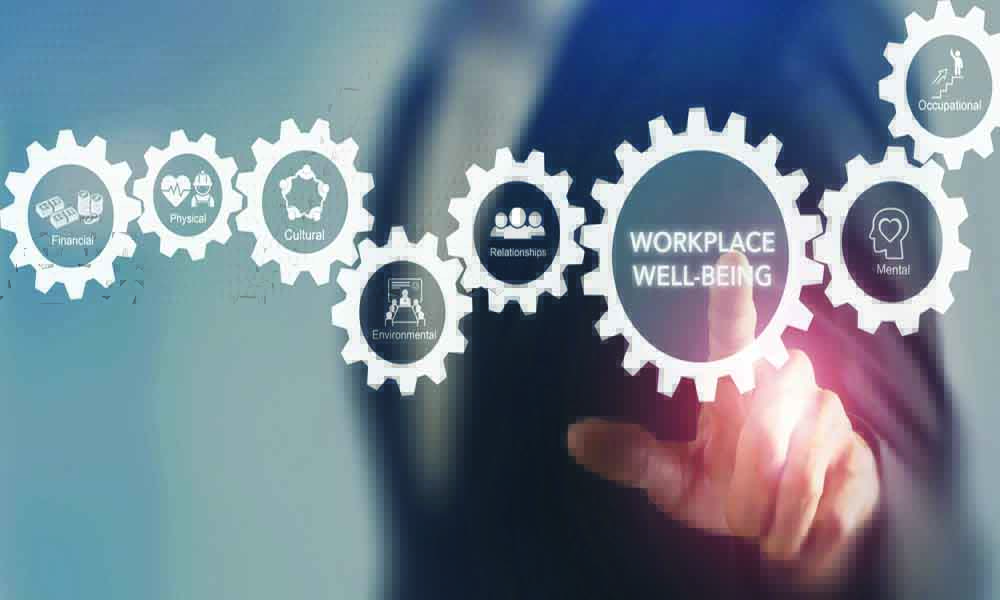
Businesses that excel in this space understand that lasting wellness programs go beyond surface-level incentives. They take a holistic approach, focusing on emotional health, financial wellness, interpersonal dynamics, and cultural alignment. This comprehensive investment in the employee experience fosters a more resilient and connected workforce.
One of the most effective ways to bring these initiatives to life is through partnerships with HR companies that offer customized workforce strategies. These experts collaborate with leadership to design meaningful wellness solutions, oversee benefits administration, and ensure HR policies meet both organizational goals and employee expectations. Their involvement is key to building cohesive, high-performing teams with a strong sense of purpose.
When wellness is woven into the core of a company’s values, the benefits are clear. Offering support such as mental health resources, flexible work arrangements, and career development opportunities empowers employees to thrive. These efforts often enhance collaboration, spark innovation, and build a more adaptable organization.
A growing body of evidence continues to demonstrate that robust wellness strategies deliver measurable results—from higher retention and satisfaction rates to increased focus and engagement. When employees believe their well-being is truly prioritized, they’re more inclined to stay committed and contribute fully.
Creating a people-first culture takes more than just good intentions—it requires consistency, long-term planning, and thoughtful execution. Initiatives like Employee Assistance Programs, flexible scheduling, and wellness activities all help improve day-to-day experiences. At the same time, rethinking compensation, expanding benefits, and embracing hybrid or remote work options can help businesses remain competitive in today’s evolving talent landscape.
Explore the infographic below and uncover actionable steps to build a more connected, energized, and future-ready workforce.

