
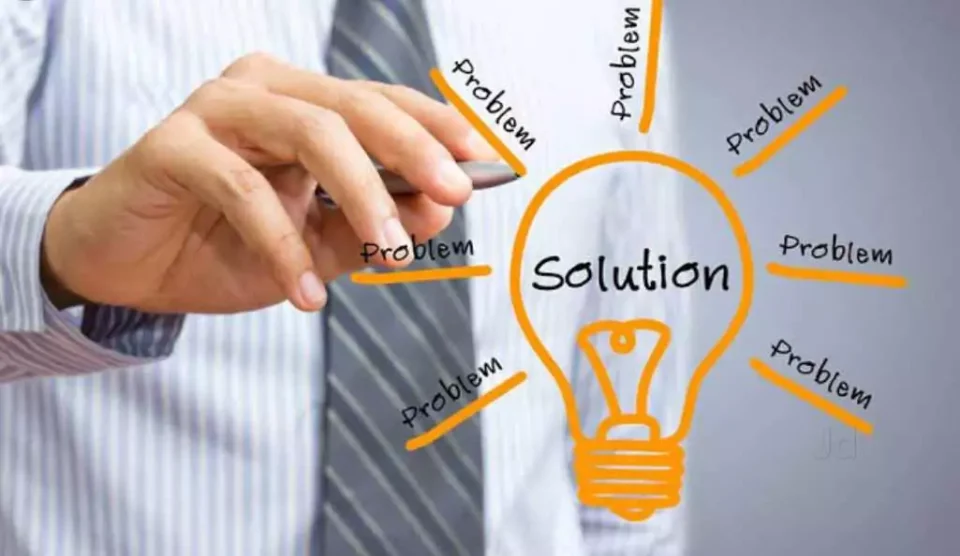
The concept of Services & Solutions forms the backbone of how modern businesses operate, compete, and grow in a rapidly evolving market. It represents a holistic approach that combines expert-driven services with innovative, technology-based solutions designed to solve real-world problems efficiently and sustainably. This dual focus enables companies to not only address their immediate operational needs but also position themselves for long-term strategic success.
At its foundation, the term blends two powerful ideas: services, which emphasize ongoing support, maintenance, and performance improvement; and solutions, which focus on targeted problem-solving through tailored strategies, processes, or technology integrations. When these two elements work in harmony, they create a dynamic framework that empowers businesses to enhance productivity, reduce costs, and deliver superior value to customers.
The Evolution of Services & Solutions
In the past, businesses primarily viewed service delivery as a reactive process—solving problems only after they occurred. However, the modern approach is proactive, predictive, and performance-oriented. With the rise of digital transformation, businesses no longer seek one-time fixes; they expect end-to-end, adaptable solutions that evolve alongside their needs.
This shift has been driven by several factors:
- Customer expectations: Clients demand seamless experiences, real-time communication, and measurable outcomes.
- Technological advancement: Cloud computing, AI, and automation have enabled scalable and data-driven service models.
- Market competition: Companies now differentiate themselves not just through products but through their ability to provide innovative, integrated solutions.
- Data-driven strategies: The ability to collect and analyze data in real time helps organizations anticipate issues and make smarter decisions.
Defining Modern Business Services
Modern services are far more than transactional offerings; they are strategic partnerships. These services include consulting, IT management, human resources outsourcing, customer support, and digital marketing, among others. The key lies in their adaptability and alignment with business objectives.
For example:
- Consulting services help organizations identify inefficiencies and design strategies for improvement.
- Managed IT services ensure system stability, cybersecurity, and performance optimization.
- Customer experience services enhance brand engagement and loyalty through omnichannel support.
Each service category plays a role in creating a foundation that supports a company’s operational excellence.
The Role of Solutions in Business Growth
While services maintain operations, solutions drive innovation. They represent the tools, technologies, and systems that address specific business challenges. Effective solutions are customized, data-driven, and scalable, ensuring they align with both current and future goals.
Examples of impactful business solutions include:
- Automation platforms that reduce manual workloads and enhance accuracy.
- CRM (Customer Relationship Management) systems that centralize client interactions for better retention and sales growth.
- Supply chain optimization tools that use AI and predictive analytics to enhance efficiency and transparency.
- Cybersecurity solutions that safeguard data, mitigate risks, and ensure regulatory compliance.
The key difference between a service and a solution lies in the scope and intent—services maintain performance, while solutions transform capability.
Integrating Services with Solutions for Greater Impact
True business transformation occurs when services and solutions are integrated seamlessly. An organization may implement a new technology (a solution), but without the right service support—training, maintenance, and optimization—the value diminishes over time. Conversely, ongoing services without innovative solutions may stagnate growth.
A successful integration includes:
- Strategic alignment: Ensuring that both services and solutions contribute to overarching business goals.
- Collaborative execution: Encouraging cross-departmental cooperation for smoother implementation.
- Continuous feedback loops: Using data analytics to measure performance and make iterative improvements.
- Scalable infrastructure: Designing systems that can grow with business demands.
This synergy creates an ecosystem that promotes innovation, efficiency, and adaptability—qualities essential for long-term competitiveness.
The Customer-Centric Approach to Services & Solutions
Today’s businesses understand that success is not only about internal efficiency but also about delivering exceptional value to customers. The customer-centric model ensures that every service and solution is designed with the end-user in mind. This approach fosters loyalty, strengthens brand reputation, and leads to sustainable growth.
Key elements of a customer-centric services and solutions framework include:
- Personalization: Tailoring offerings to meet specific client preferences and requirements.
- Accessibility: Providing 24/7 support and digital self-service options.
- Transparency: Offering clear insights into pricing, performance, and progress metrics.
- Proactive engagement: Anticipating customer needs through predictive analytics and feedback loops.
When organizations combine technology with empathy, they create a differentiated experience that drives customer satisfaction and business resilience.
Measuring the Effectiveness of Services & Solutions
A crucial part of understanding the core of Services & Solutions is evaluating their impact. Businesses use a range of Key Performance Indicators (KPIs) to measure effectiveness, including:
- Operational efficiency: Reduction in downtime, costs, and manual processes.
- Customer satisfaction: Improved Net Promoter Scores (NPS) and retention rates.
- Innovation output: Number of new features, solutions, or optimizations introduced.
- Financial performance: Increases in ROI and overall revenue growth.
- Compliance and risk management: Enhanced data security and reduced regulatory violations.
By tracking these metrics, organizations can continuously refine their strategies and ensure they remain aligned with evolving business priorities.
The Future of Services & Solutions
The future of Services & Solutions is centered around intelligent automation, predictive technology, and sustainability. As industries embrace digital ecosystems, services will increasingly rely on AI and machine learning to predict problems before they occur, while solutions will become more autonomous, self-optimizing, and environmentally conscious.
Emerging trends include:
- AI-driven customer service, offering faster and more personalized responses.
- Blockchain-based solutions for secure, transparent data management.
- Green technology services promoting sustainable energy and reduced carbon footprints.
- Hybrid service models that blend human expertise with digital efficiency.
These advancements are redefining what it means to deliver value, transforming the traditional service model into a data-powered, adaptive, and purpose-driven system.
FAQs on Understanding Services & Solutions
Q1: What makes Services & Solutions different from traditional business support?
Traditional business support focuses on task completion, while Services & Solutions integrate strategy, technology, and innovation to deliver long-term business transformation.
Q2: Why is customization important in Services & Solutions?
Customization ensures that each solution aligns with the organization’s unique challenges, goals, and industry requirements, enhancing both efficiency and ROI.
Q3: How do data and analytics improve service delivery?
Data analytics provide actionable insights that help predict trends, identify inefficiencies, and measure success, allowing continuous optimization of service quality.
Q4: Can small businesses benefit from enterprise-level Services & Solutions?
Absolutely. Scalable and modular solutions allow small businesses to adopt the same advanced systems used by large corporations without excessive cost or complexity.
Q5: How should businesses choose the right partner for Services & Solutions?
Companies should evaluate potential partners based on experience, industry expertise, security standards, and their ability to provide measurable, outcome-based support.
